Signs a Husky's Gut Health Needs a Diet Change
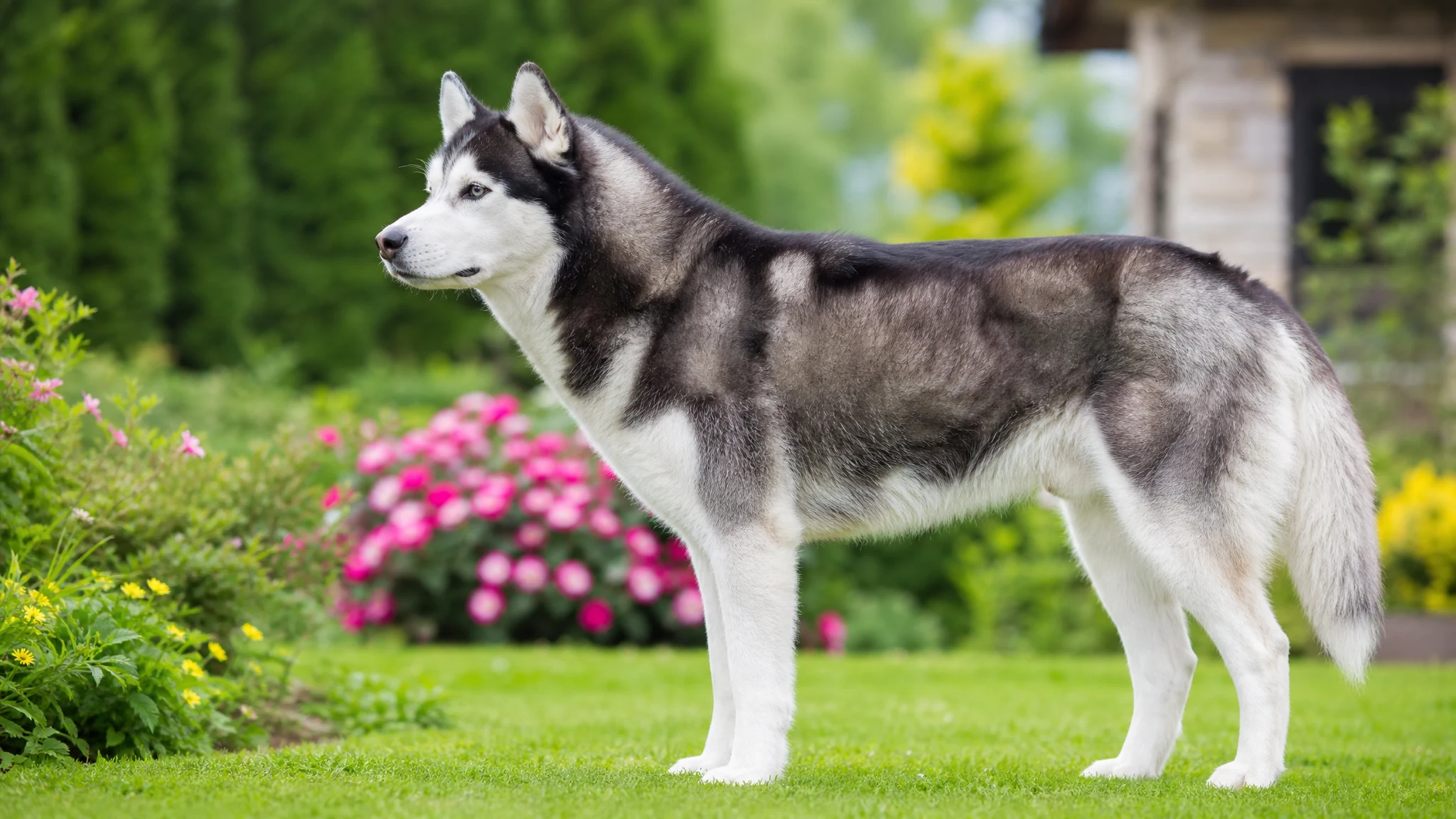
General nutrition information compiled from product labels and published sources, not veterinary advice. Your veterinarian is the right person to choose a diet for your dog, especially one with a health condition.
Huskies have a reputation for iron stomachs, and many do fine on plain, steady meals. But when stools stay loose, gas is constant or meals keep coming back up, the food is one thing worth looking at.
This guide shows how to spot those signs, how to keep a simple record, and how to compare labels before any change. It does not name a single winner. No label can tell you which food is the best dog food for gut health in your Husky. That depends on the individual dog, and a veterinarian is the one who decides.
What You Need Before You Start
- A notebook or phone notes app for a daily log
- The current food's bag or can, so you can read the full label
- A kitchen scale or a standard measuring cup
- Your dog's recent weight (ask your veterinarian's office if you are unsure)
- A phone number for your veterinarian
- Patience: at least two to three weeks for any trial
For background on the wider picture, see our guide to the diet factors that matter for this breed.
Step 1: Know What Normal Looks Like for Your Dog
Every dog has its own baseline. Before you decide something is wrong, write down what is typical for yours: how often your Husky goes out, what the stool usually looks like, and how eager the dog is at mealtime.
Size matters a little here. The Westminster Kennel Club breed page lists the Siberian Husky as usually 40 to 50 pounds, with a listed maximum of 60 pounds. That is a medium-sized dog, so portions are modest and small mistakes in feeding add up quickly.
Step 2: Watch for Signs the Food May Not Be Agreeing
These are common signals owners notice. None of them proves the food is the cause.
- Loose or soft stools that last. One odd day is common. Weeks of it is a pattern worth recording.
- Frequent gas. Especially if it is new or worse after a food change.
- Vomiting or regurgitating meals. Occasional is one thing; repeated is another.
- Straining or hard, dry stools. The opposite problem can also point to diet or hydration.
- Mucus or an unusual color in stool. Note it and mention it to your veterinarian.
- Rumbling belly, licking lips or refusing meals. A dog who suddenly skips food deserves attention.
- Weight loss or a dull coat. These can have many causes, including non-diet ones.
Step 3: Call Your Veterinarian First if Anything Is Severe
Do not run a diet experiment on a sick dog. Contact your veterinarian promptly for blood in stool or vomit, repeated vomiting, a swollen or painful belly, lethargy, signs of dehydration, or any diarrhea in a puppy. Parasites, infections, foreign objects and other medical problems can look like a food problem.
Even for milder signs, a quick call is sensible. Your veterinarian may want to rule out other causes before you change anything, and only a veterinarian prescribes therapeutic diets.
Step 4: Keep a Two-Week Log
Write down, each day:
- Everything eaten, including treats, chews and table scraps
- Stool quality and number of bowel movements
- Any vomiting, gas or belly noise
- Energy and appetite
This record often shows that the trouble tracks with a treat, a new chew or a food sitting out in heat, not the main diet. It also gives your veterinarian useful information.
Step 5: Read the Current Label Closely
Turn the bag over and look for four things.
- The AAFCO statement. It should say the food is complete and balanced for your dog's life stage. Some say it meets the AAFCO Dog Food Nutrient Profiles. Others say animal feeding tests substantiate it. Both are valid claims, but they are different ways of backing it up.
- The first five ingredients. They show what makes up most of the recipe by weight, though weight includes water in fresh ingredients.
- The guaranteed analysis. This gives minimum protein and fat and maximum fiber and moisture.
- Calories per cup. A rich food fed by the same scoop can mean more calories than your dog needs.
Marketing words such as "gentle," "premium" or "ancestral" are not defined by the label. Skip past them and read the data.
Step 6: Compare a Few Labels Side by Side
Here is a small comparison of label data from the brands' own product pages. We compared label data only. We did not run feeding trials or taste tests, so this table says nothing about how any food sits in a Husky's stomach.
| Food | Adult size range on label | First ingredients | Label figures |
|---|---|---|---|
| Royal Canin Medium Adult Dry | 23 to 55 lb adult weight | Brewers rice, chicken by-product meal, oat groats | 23% protein min, 12% fat min, 3.4% fiber max, 340 kcal per cup |
| Royal Canin Large Adult Dry | 56 to 100 lb adult weight | Chicken by-product meal, brewers rice, wheat | 24% protein min, 15% fat min, 3.2% fiber max, 360 kcal per cup |
| Hill's Science Diet Adult Large Breed Chicken & Barley | Ideal weight 55 to 110 lb | Chicken, cracked pearled barley, brown rice | 365 kcal per cup; the page gives dry matter averages (23.8% protein, 15% fat) instead of a guaranteed analysis |
The size ranges are worth noticing. A typical Husky near 40 to 50 pounds falls within Royal Canin's medium range, while large-breed formulas are aimed at heavier dogs. A size-matched food is not automatically better, so ask your veterinarian which fits your dog. Brand pages: Royal Canin Medium Adult, Royal Canin Large Adult and Hill's Science Diet Adult Large Breed.
We found no Husky-specific formula from these brands in our research. If a bag claims to be made for Huskies, read the same label data and check with the brand for details.
Step 7: Change Foods Slowly, If Your Veterinarian Agrees
If you and your veterinarian decide a different food is worth trying, do not swap overnight. Hill's Pet Nutrition's large breed puppy page describes a 7 day transition, which is a reasonable starting point for adult dogs too. Mix a little new food into the old, and raise the share a bit each day.
If stools worsen during the mix, slow down and tell your veterinarian. Do not start two changes at once, such as a new food and a new chew.
Step 8: Feed to the Label as a Starting Point
Feeding charts on bags are starting points. Hill's says to adjust amounts to maintain optimal weight and to ask your veterinarian if unsure. Royal Canin notes that grams are the most accurate measure and that cups are approximate. Weigh portions when you can, and adjust based on body condition, not on how hard your Husky begs.
Tips for a Cleaner Trial
- Change one thing at a time. That is the only way the log means anything.
- Hold treats to a small, steady amount, or use pieces of the regular kibble.
- Give the new food at least two to three weeks unless your veterinarian says otherwise.
- Keep fresh water available at all times.
- Take the log to your veterinarian visit, along with a photo of the label.
Common Mistakes to Avoid
- Switching brands every few days. Constant change can cause the very upset you hope to fix.
- Assuming grain-free is gentler. The FDA has investigated a potential link between certain diets and canine dilated cardiomyopathy (DCM). Its latest update, dated December 23, 2022, says report counts do not establish a causal relationship. It also says it does not plan more public updates until there is meaningful new scientific information. Talk to your veterinarian before choosing a diet for that reason.
- Chasing the highest protein number. A higher figure is not the same as better tolerance.
- Adding supplements on your own. Ask your veterinarian first, including about amounts.
- Treating fresh or frozen food as automatically better. Fresh foods list their own AAFCO statements and calories. Read those the same way.
- Ignoring life stage. Puppies, adults and seniors need different formulas, and a Husky puppy should not be put on an adult-only food without guidance.
What Results to Expect
If food was part of the problem, some owners see firmer stools and less gas within a few weeks of a careful transition. That is not certain. Some dogs show no change, because the cause lay elsewhere. No food can be promised to prevent, treat or cure a digestive condition, and we make no such claim for any product here.
If signs persist after a fair trial, or get worse at any point, stop experimenting and go to your veterinarian. Your log will make that visit more useful.
The Bottom Line
The best dog food for gut health in a Husky is the one that is complete and balanced for the dog's life stage, fed in the right amount, and tolerated well, as judged by your veterinarian and your own careful records. Read labels, change one thing at a time, and treat any website, including this one, as a starting point and not a diagnosis.
Sources
- Westminster Kennel Club, Siberian Husky breed page
- FDA Center for Veterinary Medicine, Investigation into Potential Link Between Certain Diets and Canine DCM
- Royal Canin USA, Medium Adult Dry
- Royal Canin USA, Large Adult Dry
- Hill's Pet Nutrition, Science Diet Adult Large Breed
- Hill's Pet Nutrition, Science Diet Puppy Large Breed