Itchy Skin in Huskies: Could the Dog Food Be a Factor?
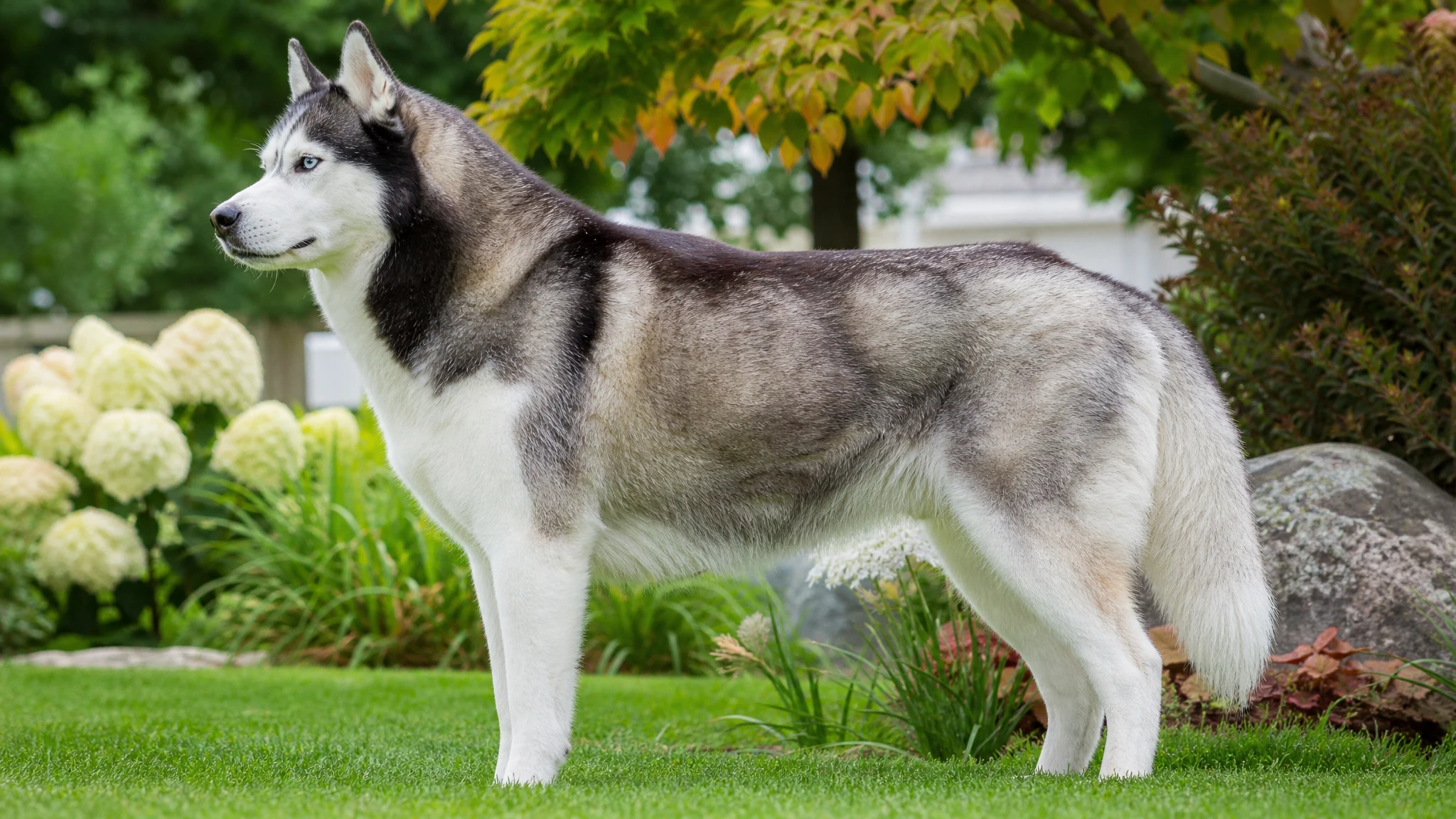
General nutrition information compiled from product labels and published sources, not veterinary advice. Your veterinarian is the right person to choose a diet for your dog, especially one with a health condition.
A scratching Husky is a worried owner. It is natural to wonder if the bowl is to blame, and to hunt for the best dog food for itchy skin.
Here is the honest starting point. Itching has many possible causes, and no food can be promised to fix it. Diet is one factor a veterinarian may look at. This guide shows you how to gather useful information, read labels with a skeptical eye, and have a better conversation with your vet.
For the wider picture of feeding this breed, see our guide to Husky nutrition and the diet factors that matter.
How we approached this
We compared label data published by the brands. We did not run feeding trials or taste tests, and we did not feed any of these foods to dogs. Nothing here says a food will help, prevent, or treat skin trouble. Only a veterinarian can judge an individual dog.
What you will need
- A notebook or phone notes app for a daily log.
- The bag, can or pouch of your dog's current food, plus the labels of any treats, chews and toppers.
- A list of any medicines, flea and tick products, shampoos and supplements your Husky gets.
- Clear photos of the itchy areas, taken weekly.
- A kitchen scale or the measuring cup you really use at meals.
- An appointment with your veterinarian.
Step-by-step: checking whether food could be involved
1. Book the vet visit first
Do this before you change anything. Skin that is red, broken, smelly, or scratched raw needs a professional look. Itching can come from parasites, infection, the environment, or other causes, and a veterinarian can sort these out. Changing food first can muddy the picture.
Ask directly: "Could diet be part of this, and how would we test that?" Your vet may suggest a structured diet trial. Prescription diets are only something a veterinarian prescribes, so do not try to copy one from a store shelf.
2. Start an itch and food log
For two weeks, write down the following each day:
- Every food, treat, chew and table scrap, with amounts.
- Where your dog scratches, licks or chews.
- How often, and how intense it seems on a simple 1 to 5 scale.
- Weather, new cleaning products, walks in new areas, and any flea product dates.
Patterns are easier to spot on paper than in memory. Your vet will find this log very useful.
3. Read the current label closely
Find these parts of the label:
- The AAFCO statement. It tells you the life stage the food is meant for, such as maintenance, growth, or all life stages. It is the only part of the label that speaks to nutritional adequacy.
- The ingredient list. Ingredients are listed by weight, so the first few make up most of the food. Note the protein sources. Chicken, chicken meal, and chicken by-product meal are different entries on a list.
- Guaranteed analysis. These are minimums and maximums, not exact amounts, and they are measured as fed, so wet and dry foods are hard to compare directly.
- Calories per cup. This matters for portion control, covered below.
Be wary of front-of-bag phrases like "skin and coat" or "sensitive." They are marketing language. The AAFCO statement and the ingredient panel tell you more.
4. Match the food to your dog's size and life stage
The Westminster Kennel Club lists the Siberian Husky as usually 40 to 50 pounds, with a listed maximum of 60 pounds. That puts most Huskies under the 70 pound line used in AAFCO's large-size growth wording. A "large breed" label is not required for most Huskies, but your vet can tell you which size range suits your dog.
Here is a small label comparison of foods that fit an adult of this size. It is not a ranking and not a list of foods for itchy skin.
| Food | Form | First ingredients on label | Label protein / fat | Calories |
|---|---|---|---|---|
| Royal Canin Medium Adult (for adults 23 to 55 lb) | Dry | Brewers rice, chicken by-product meal, oat groats | 23% min / 12% min | 340 kcal per cup |
| Hill's Science Diet Adult Large Breed Chicken & Barley (ideal weight 55 to 110 lb) | Dry | Chicken, cracked pearled barley, brown rice | Page gives dry matter averages of 23.8% and 15%, not minimums | 365 kcal per cup |
| VICTOR Classic Hi-Pro Plus | Dry | Beef meal, grain sorghum, chicken fat | 30% min / 20% min | 406 kcal per cup |
| Freshpet Vital Large Breed | Fresh, refrigerated | Chicken, beef, egg | 20% min / 14% min | 337 kcal per cup |
Some notes on reading it. The VICTOR formula carries the AAFCO exception for growth of large-size dogs, so it is not meant for large-breed puppies. The Royal Canin Medium Adult page does not state kibble size, and neither do the other dry foods here, so check with the brand if that matters to you. Hill's gives dry matter averages rather than guaranteed minimums, so its numbers are not directly comparable with the others.
Notice that every food above lists different proteins and carbohydrates. If a vet suspects a food link, this is exactly why the ingredient list matters.
5. If your vet recommends a diet trial, follow it strictly
A diet trial usually means feeding one planned food for a set period, with nothing else. Your vet decides the food and the length. In practice that means no flavored chews, no shared snacks, and no flavored medications unless the vet approves them.
Tell everyone in the household. One dropped crust or a well-meant treat from a neighbor can make weeks of effort hard to interpret.
6. Change foods gradually
Unless your vet says otherwise, switch over several days by mixing a little more of the new food into the old each day. Hill's, for example, suggests a 7 day transition on its large breed puppy page. A sudden swap can upset the stomach, which then confuses your notes.
7. Treat feeding guides as starting points
Brand feeding guides are starting points, as Hill's and Nom Nom both say on their pages. Adjust for your dog's body condition, and ask your vet if you are unsure. Calories per cup differ a lot between foods. In the table above, one dry food has 340 kcal per cup and another 406. Swapping cup for cup without checking can quietly over or underfeed.
8. Review with your vet
Bring your log, photos, and labels to the follow-up. Together you can decide whether diet looks like a factor, or whether other causes deserve more attention.
Tips
- Change one thing at a time. If you switch food, shampoo and flea product in the same week, you will not know which mattered.
- Keep the old label. Take a photo of every bag before you toss it.
- Check treats and dental chews. They often share ingredients with the main food.
- Weigh your dog regularly. Portions that are too large can show up on the scale before they show in the coat.
- Be patient. Your vet can tell you how long to wait before judging a change.
Common mistakes to avoid
- Assuming grain is the culprit. The foods in the table are not grain-free, and a grain-free label does not make a food better for skin. The FDA has investigated a possible link between certain diets and canine dilated cardiomyopathy (DCM). Its last public update was on December 23, 2022, and it noted that report counts do not establish a causal relationship. Ask your vet before choosing a food based on a grain-free claim.
- Adding supplements on your own. Skin and coat products are not all alike, and amounts matter. Ask your vet first.
- Switching foods every week. It makes any pattern impossible to read.
- Trusting marketing words. "Natural," "premium," and "sensitive" are not label standards.
- Skipping the vet because the dog "just itches." Constant scratching can lead to infections that need treatment.
- Using a puppy or large-puppy food for an adult, or the reverse, without asking. Life stage matters, and the AAFCO statement tells you which one a food is for.
What results to expect
Be realistic. If diet is a factor for your dog, a carefully run trial may help your vet narrow it down, and some owners see less scratching over time. It may also show that food is not the issue, which is useful too, because it points your vet toward other causes.
No food label, including ones that mention skin, can be counted on to stop itching. The best dog food for itchy skin is the one your veterinarian agrees is complete, balanced, and right for your individual dog, and that your dog tolerates well.
The sources do not give us Husky-specific data on diet and itching, so check with your vet, the Siberian Husky Club of America, or the food's maker for questions we could not answer here.