Dog Health Supplements for Huskies: What the Evidence Supports
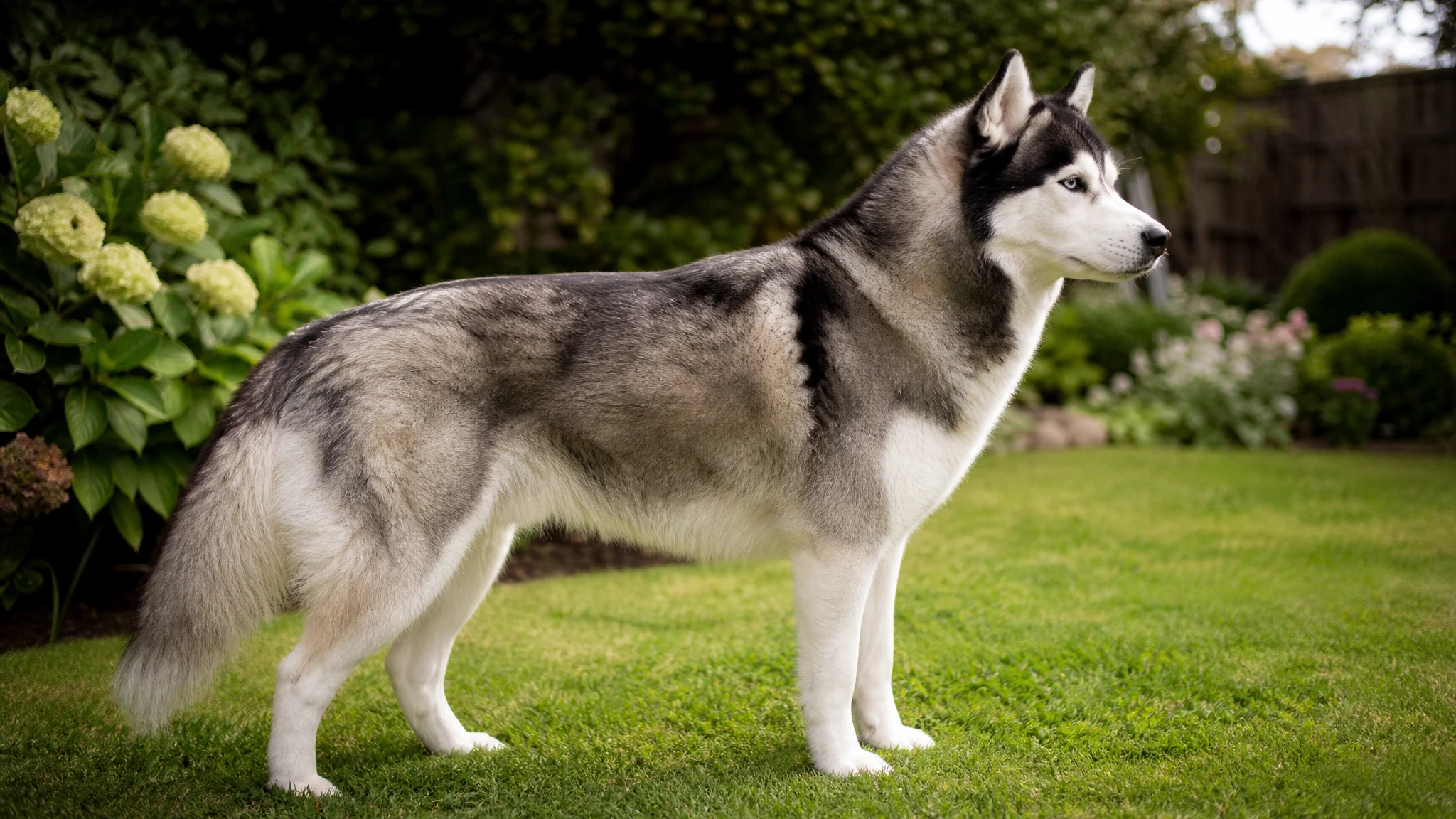
General nutrition information compiled from product labels and published sources, not veterinary advice. Your veterinarian is the right person to choose a diet for your dog, especially one with a health condition.
Walk into any pet store and you will find shelves of dog health supplements with bold promises on the front. Most of those promises are marketing. This guide shows you how to decide, step by step, whether your Siberian Husky needs a supplement at all, and how to read the label if a veterinarian suggests one.
It will not tell you which supplement to buy. The sources available for this breed do not support naming one, and no page here should be read as a recommendation for an individual dog.
What you need before you start
- The bag, can or pouch label of your dog's current food, including the small print.
- The label of any supplement you are considering, or a photo of it.
- Your dog's current weight and a note about age and activity level.
- Any health notes from your veterinarian, including breeder hip or health screening paperwork if you have it.
- A notebook or phone note for questions to bring to your vet.
Step 1: Know your Husky's baseline
Start with the dog in front of you. The Westminster Kennel Club breed page describes the Siberian Husky as usually 40 to 50 pounds, with a listed maximum of 60 pounds. It lists a maximum lifespan of 14 years. That puts the breed in the medium range, below the 70 pound adult weight that AAFCO uses for its large-size growth wording.
Write down your own dog's weight and age. A supplement question for a lean three-year-old is very different from one for a senior dog with stiffness. Only a veterinarian can tell which situation you are in.
Step 2: Check whether the food is already complete
Most healthy dogs eating a complete and balanced diet do not need extra products added on top. Look for the AAFCO nutritional adequacy statement on the food label. It should say the food is formulated to meet the AAFCO Dog Food Nutrient Profiles, or that feeding tests substantiate it, for your dog's life stage.
Here is how that wording looks on real labels:
- Hill's Science Diet Adult Large Breed Chicken & Barley states that animal feeding tests using AAFCO procedures substantiate it for maintenance of adult dogs.
- Royal Canin Medium Adult Dry says it is formulated to meet the AAFCO nutrient profiles, and is aimed at dogs with an adult weight of 23 to 55 pounds.
These are examples of how to read a statement, not endorsements. Check the brand's own page for the current label before you rely on any of it. We compared label data only. We did not run feeding trials or taste tests.
If your food carries a statement for your dog's life stage, extra vitamins and minerals are not automatically a bonus. Adding more on top can unbalance a diet that was already formulated as a whole.
For the bigger picture on feeding this breed, see our guide to the diet factors that matter for Huskies.
Step 3: Name the specific concern
A good supplement conversation starts with a concrete question, not a product. Examples are a dog who seems stiff after exercise, a dull coat, or a worry about joints because of the breed's history.
Hips are the concern most owners raise. The Siberian Husky Club of America regards canine hip dysplasia as inheritable and of utmost concern in the breed. The club reports that the Orthopedic Foundation for Animals evaluated 12,087 Huskies from 1994 to 1998, and only 2.2% were dysplastic. That figure covers only those years, so it is not a current rate.
The club's page does not say that any food or supplement prevents or treats hip dysplasia, and it does not state a diet link. Hip dysplasia is a condition a veterinarian diagnoses and manages. A supplement should not stand in for an exam or screening.
Step 4: Read the supplement label like a skeptic
If you are still considering a product, go through the label with these questions:
- What does it claim? Be wary of words like "prevents," "treats," "cures" or "repairs." Products sold as supplements are not supposed to make those claims.
- What is in it? Make sure every active ingredient is listed. Vague "proprietary blends" make it hard for you and your vet to judge what your dog would get.
- Does it overlap with the food? Compare the ingredient and nutrient lists with your dog's food so you are not doubling up.
- Who makes it, and how can you reach them? A real company lists contact details and lot information on the package.
- What does the label say about amounts? Treat any label amount as a starting point to discuss with your vet. Do not guess or scale it yourself.
We do not give supplement doses in this guide. The right amount depends on the product and the individual dog, and your veterinarian is the one to decide it.
Step 5: Take your notes to your veterinarian
Bring the food label, the supplement label and your questions. Ask these:
- Does my dog's current food already cover what this product claims to offer?
- Is there any reason this ingredient could be a problem given my dog's health history or medications?
- How will we know whether it is making a difference, and when should we stop?
- Is a different step, such as weight management or an exam, a better first move?
If a prescription diet is ever suggested, that is something only a veterinarian prescribes. Do not try to copy one with over-the-counter products.
Step 6: Start carefully and keep records
If your vet approves a product, introduce one new thing at a time. Changing the food, adding a supplement and changing treats in the same week makes it impossible to tell what caused a change in appetite or stool.
Keep a simple log with the date started, the product and lot number, your dog's weight, stool quality, appetite and any change in movement. Share it at the next visit.
Tips
- Weigh your dog regularly. Keeping a Husky at a lean, healthy weight is a topic worth raising with your vet, and it costs nothing.
- Follow each food brand's feeding guide as a starting point. For example, Hill's tells owners to adjust amounts to maintain optimal weight and to ask a veterinarian if unsure.
- Keep treats and toppers in mind. They add calories and nutrients that count toward the total.
- Keep supplements stored as the label directs, and out of the dog's reach.
Common mistakes to avoid
- Treating a supplement as a hip plan. The Siberian Husky Club of America treats hip health as a matter of screening and heredity. A bottle is not a substitute.
- Stacking products. Several products with overlapping ingredients can add up without you noticing.
- Trusting a breed name on the front. A "for active breeds" claim is not a Husky-specific standard. We found no Husky-specific formula from the brands we looked at, so check with the brand if a package says otherwise.
- Chasing food fads. The FDA has investigated a possible link between certain diets and canine dilated cardiomyopathy (DCM). Its latest update was December 23, 2022, and it said report counts do not establish a causal relationship. It also said it does not plan more public updates until there is meaningful new scientific information. Do not change your dog's diet in a panic. Ask your vet, and check the FDA page for anything newer.
- Skipping the vet because a product is "natural." Natural does not mean safe for every dog.
What results to expect
Be modest here. For a healthy Husky on a complete and balanced diet, you may see no visible change from a supplement at all. That is a normal outcome, not a failure.
If your veterinarian recommends a product for a particular reason, it may help support that goal, but results vary from dog to dog and no product can promise an outcome. Judge it by the log you kept and by your vet's follow-up, not by the marketing. If your dog shows vomiting, diarrhea, itching or lethargy after a new product starts, stop it and call your veterinarian.
The short version
Start with the food, name a specific concern, read the label with a skeptical eye, and let your veterinarian decide. For many Huskies, a complete diet, a healthy weight and routine vet care do more than anything on a supplement shelf.
Sources
- Westminster Kennel Club, Siberian Husky breed page
- Siberian Husky Club of America, Hip Health
- FDA Center for Veterinary Medicine, Investigation into Potential Link Between Certain Diets and Canine DCM
- Hill's Pet Nutrition, Science Diet Adult Large Breed product page
- Royal Canin USA, Medium Adult Dry product page